
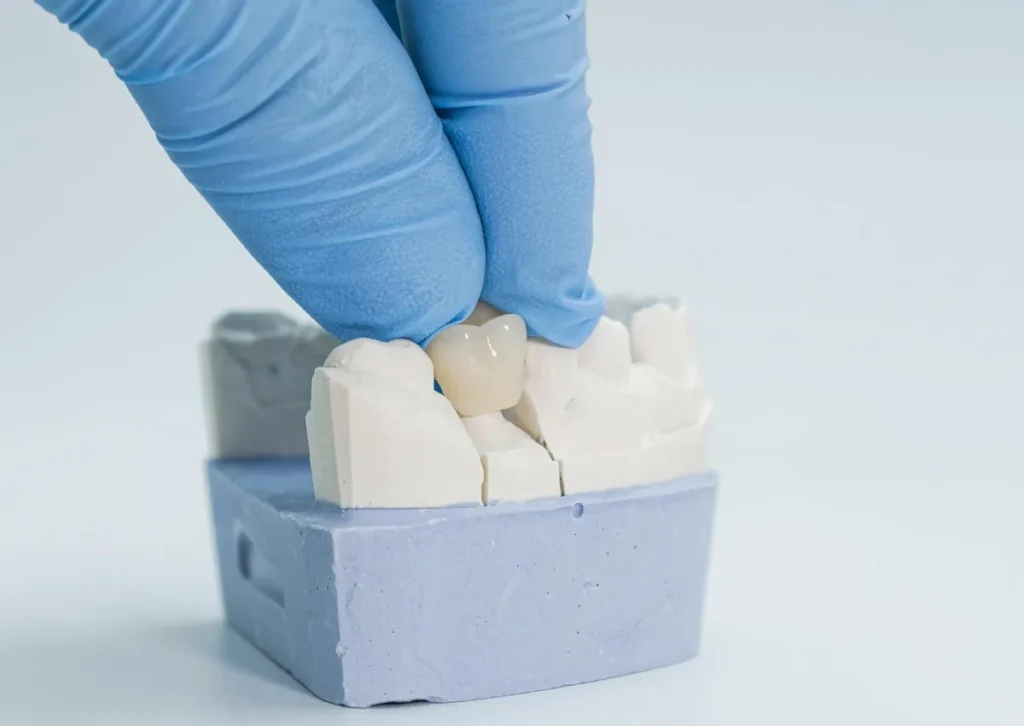
If your temporary crown fell off on a weekend or after hours, save it, avoid chewing on that tooth, and contact the dentist who placed it for instructions.
A missing temporary crown without significant symptoms is usually a dental problem rather than a hospital emergency, but severe pain, swelling, injury, or trouble breathing or swallowing changes the urgency. Do not glue or re-cement the crown yourself.
If your temporary crown has fallen off and you have concerning symptoms, urgent dental care can help you get an appropriate assessment. Walden Dental in Austin, TX, can evaluate the exposed tooth and help you understand the next steps.
Key Takeaway: Your symptoms help determine whether you need prompt dental guidance, urgent dental care, or emergency medical care. Protect the exposed tooth and contact your treating dental team for timing advice, escalating sooner if warning signs develop.
Table of Contents
- What to Do When a Temporary Crown Falls Off After Hours
- What Symptoms Make a Lost Crown Urgent?
- How to Contact Your Dentist on a Weekend
- Why a Temporary Crown Is Different From a Permanent Crown
- What the Dentist Needs to Assess Before Replacing the Crown
- How to Coordinate Care and Reduce Repeat Problems
- FAQs
What to Do When a Temporary Crown Falls Off After Hours
Start by protecting the tooth rather than testing whether the crown will stay back on. A loose crown can detach again and be swallowed or inhaled.
- Save the crown if you can safely retrieve it. If it is loose and easily accessible in your mouth, remove it; do not reach into your throat to retrieve it. Place it in a clean, closed container and bring it to your appointment.
- Avoid chewing on that side. Choose soft foods, avoid hard or sticky foods, and limit very hot or cold items if they trigger sensitivity.
- Keep the area gently clean. Brush carefully with fluoride toothpaste, and do not pick at the tooth or try to scrape off leftover cement.
- Call the treating office. Listen to the full voicemail for after-hours instructions, and check your written postoperative instructions or the office website for an emergency contact route.
If you need pain relief, ask a pharmacist or clinician which nonprescription option is safe for you and follow the product label. Medical conditions, pregnancy, allergies, and other medicines can affect what you can take.
Watch Out: Avoid 2 risky shortcuts: household glue and self-directed crown re-cementing, including with over-the-counter dental cement. An incorrectly seated crown can interfere with your bite, injure tissue, or come loose again.
What Symptoms Make a Lost Crown Urgent?
The missing crown alone does not determine how quickly you need care. Symptoms, trauma, and damage to the exposed tooth matter more than whether it is Saturday night or a weekday morning.
|
What You Notice |
What to Do |
|---|---|
|
Trouble breathing or swallowing, rapidly spreading facial or neck swelling, or uncontrolled bleeding |
Seek emergency medical care now; call 911 for breathing difficulty or other life-threatening symptoms. |
|
Severe or worsening pain, swelling, fever, drainage, or a significant dental injury |
Seek urgent dental evaluation rather than waiting for a routine appointment. If swelling is spreading or you feel seriously ill, seek emergency medical care. |
|
Mild sensitivity or no pain, without swelling or injury |
Contact the treating dentist promptly for timing advice and protect the tooth while awaiting a response. |
|
A missing crown followed by choking, persistent coughing, wheezing, or shortness of breath |
Seek emergency medical assessment because the crown may have entered the airway. Call 911 for breathing difficulty. |
An emergency department can assess serious infection, bleeding, or airway problems, but it generally cannot replace a dental crown. For an isolated lost crown, an urgent dental service is usually the more appropriate setting when your treating office cannot be reached.
No pain does not mean the tooth can safely remain uncovered indefinitely. A tooth that has had root canal treatment may not produce the same temperature sensitivity as a tooth with living pulp, yet it can still be damaged.
How to Contact Your Dentist on a Weekend
Start with the office that placed the temporary crown because it has your treatment records and knows the planned next step. An after-hours message does not guarantee weekend availability, so follow the stated instructions and seek another source of care if your symptoms require it.
Give the team the information it needs to assess urgency:
- Which tooth is involved and when the temporary crown came off.
- Whether you have the crown and whether it appears broken.
- Whether you have pain, swelling, fever, drainage, bleeding, or an injury.
- Whether any tooth fragment, post, or other material appears attached to the crown.
- When the tooth was prepared and when your next appointment is scheduled.
- Your callback number and relevant medical conditions or medicines.
For example: “My temporary crown came off tonight. I saved it and have mild cold sensitivity but no swelling or fever. How soon should the tooth be checked?”
Pro Tip: Ask 3 practical questions: “How soon should I be seen?”, “What symptoms mean I should seek care sooner?”, and “If you cannot see me, where should I go?” If another dental office evaluates you, ask how its findings can be shared with your treating dentist.
Why a Temporary Crown Is Different From a Permanent Crown
A temporary crown protects a prepared tooth while the final restoration is being made or while treatment is being assessed. It is generally secured with cement intended to allow removal, so its retention and strength differ from those of a permanent crown.
A permanent crown is intended for longer-term use. If it comes off, the dentist may need to investigate cement failure, decay, fracture, or a problem with the supporting tooth or buildup.
Neither type is automatically an emergency simply because it has detached. Both need dental assessment, with urgency guided by symptoms and damage rather than the crown label alone.
Losing a temporary crown exposes a tooth that has already been shaped for a restoration, which can cause sensitivity and leave it more vulnerable to damage. If care is delayed, nearby teeth or gum tissue may also change in ways that affect the final crown’s fit.
What the Dentist Needs to Assess Before Replacing the Crown
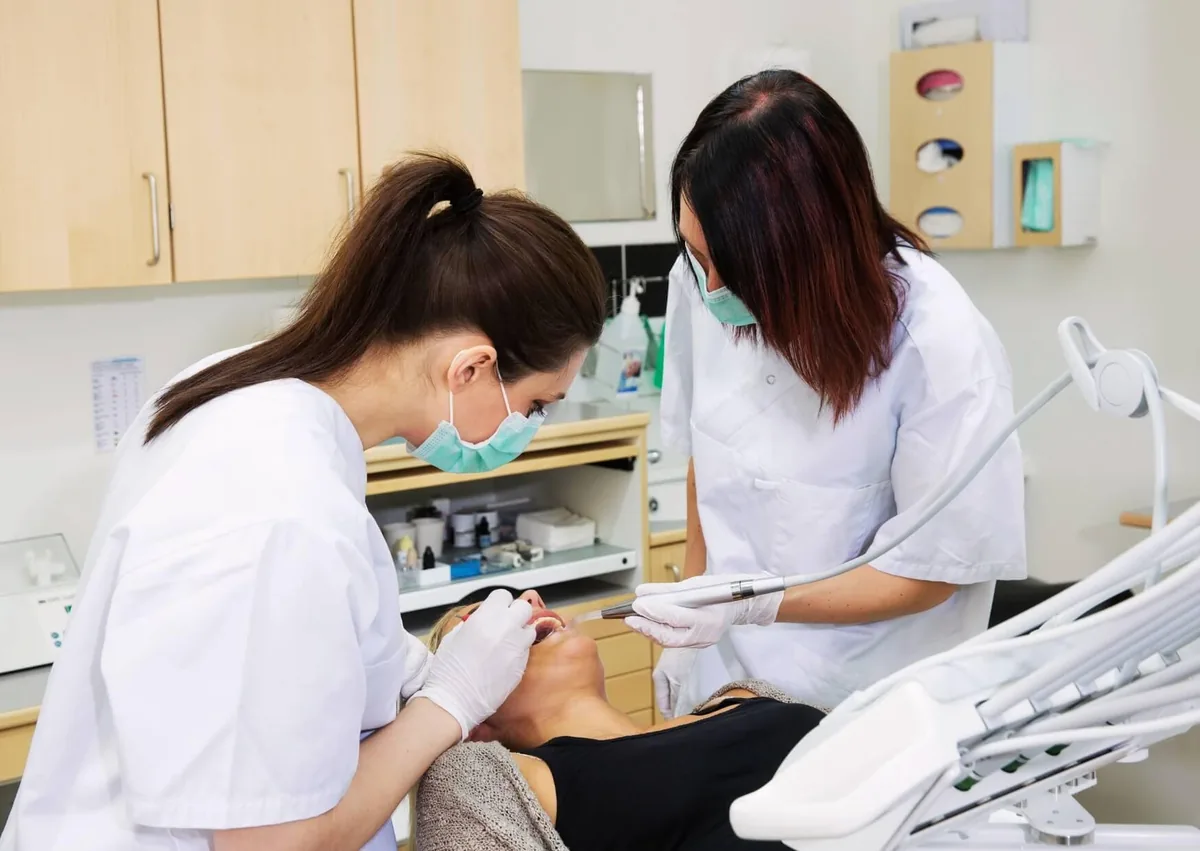
A dentist may check the exposed tooth, gum tissue, remaining cement, bite, and condition of the temporary crown. Depending on the symptoms and findings, an examination and possibly X-rays may be needed to look for damage or another cause of pain.
The findings help determine whether the existing temporary crown can be professionally reattached, whether a replacement is needed, or whether the treatment plan needs reassessment. Saving the crown preserves options, but it does not guarantee that it can be reused.
Remote advice can help establish urgency, but it cannot confirm that the tooth is intact or that a crown fits correctly. Persistent, worsening, or unclear symptoms deserve evaluation even if the crown looks undamaged.
How to Coordinate Care and Reduce Repeat Problems
Before arranging care, ask whether the visit will involve an examination only or whether the office may also be able to address the temporary crown. If you are seeing a different dentist, provide the treating office’s contact information and any available treatment summary or relevant X-rays.
Fees may depend on whether the crown can be reused, whether a replacement is needed, and which office provides care. Ask about any after-hours or replacement charges, and have your insurer verify benefits and network status; coverage depends on your plan and is not guaranteed.
After professional care, follow the team’s food and cleaning instructions. Report looseness, a bite that feels unusually high, or recurring pain rather than repeatedly testing the crown by biting down.
The goal is to protect the prepared tooth without creating another problem. Prompt communication and symptom-based escalation help you make safer decisions while awaiting dental assessment.
If your treating dentist cannot be reached and you need an evaluation, seek care based on your symptoms. For urgent dental care in Austin, TX, call Walden Dental at +1 512-337-8560 to discuss an appointment.
FAQs
Can I wait until Monday if my temporary crown fell off?
Possibly, if you have no significant pain, swelling, injury, or other warning signs, but contact your treating office for timing advice rather than assuming it is safe to wait. Seek care sooner if symptoms develop or worsen.
What if I cannot find the temporary crown?
Tell the dental team that it is missing; a replacement may be needed. If it disappeared during a choking episode or you have persistent coughing, wheezing, or breathing difficulty, seek emergency medical assessment.
Can I put the crown back on just for eating or sleeping?
Do not place a loose crown back in your mouth for eating or sleeping. It can detach and be swallowed or inhaled, so keep it in a container until a dentist assesses it.
Does sensitivity mean the tooth is infected?
Not necessarily; an exposed prepared tooth can react to temperature or touch. Severe, persistent, or worsening pain, swelling, fever, or drainage needs prompt assessment because symptoms alone cannot establish the cause.